


Polyester Cloth: A Durable, Versatile, and High-Performance Fabric Solution for Modern Manufacturing
2025-12-10
Polyester cloth has become one of the most widely used textile materials across global industries due to its exceptional durability, versatility, and excellent cost-performance ratio. As consumer expectations shift toward fabrics that offer comfort, longevity, and adaptability to multiple environments, polyester cloth stands out as a reliable solution for both mass-market production and specialized industrial applications. This promotional article introduces the overall framework, product value, key advantages, functional roles, use cases, and the pain points polyester cloth helps customers solve.
Polyester cloth is made from synthetic fibers engineered for high strength and resistance to environmental stress. Its molecular structure provides exceptional dimensional stability, allowing the fabric to retain its shape even under frequent stretching, washing, and daily use. Compared with natural fibers, polyester cloth is less vulnerable to moisture, mold, and shrinkage, making it ideal for humid regions and heavy-duty usage environments. Its smooth texture and consistent quality also enable precise processing in weaving, printing, coating, laminating, and finishing, ensuring manufacturers achieve uniform results at high production efficiency.
One of the greatest advantages of polyester cloth is its outstanding durability. The fabric resists tears, abrasions, and surface damage, making it suitable for demanding applications such as workwear, outdoor gear, industrial covers, conveyor belts, and automotive interiors. It can withstand long-term sun exposure without fading, thanks to its excellent UV resistance. Additionally, it is quick-drying and moisture-repellent, which greatly enhances user comfort in sportswear, jackets, and travel accessories. Polyester cloth is also highly wrinkle-resistant, allowing garments and textiles to maintain a smooth appearance with minimal ironing.
Polyester cloth offers significant versatility across industries. In fashion and apparel, it is widely used to produce shirts, dresses, uniforms, sportswear, and blended fabrics. Its ability to accept vibrant dyes and complex prints makes it ideal for fashion brands seeking creative expression with stable production quality. In home textiles, polyester cloth is used for curtains, upholstery, table linens, bed covers, sofa fabrics, and decorative textiles due to its ease of cleaning and long-lasting color retention. For industrial applications, polyester is valued for its strength, chemical resistance, and compatibility with protective coatings, making it suitable for filtration fabrics, tarpaulins, tents, agricultural covers, cargo straps, and safety products.
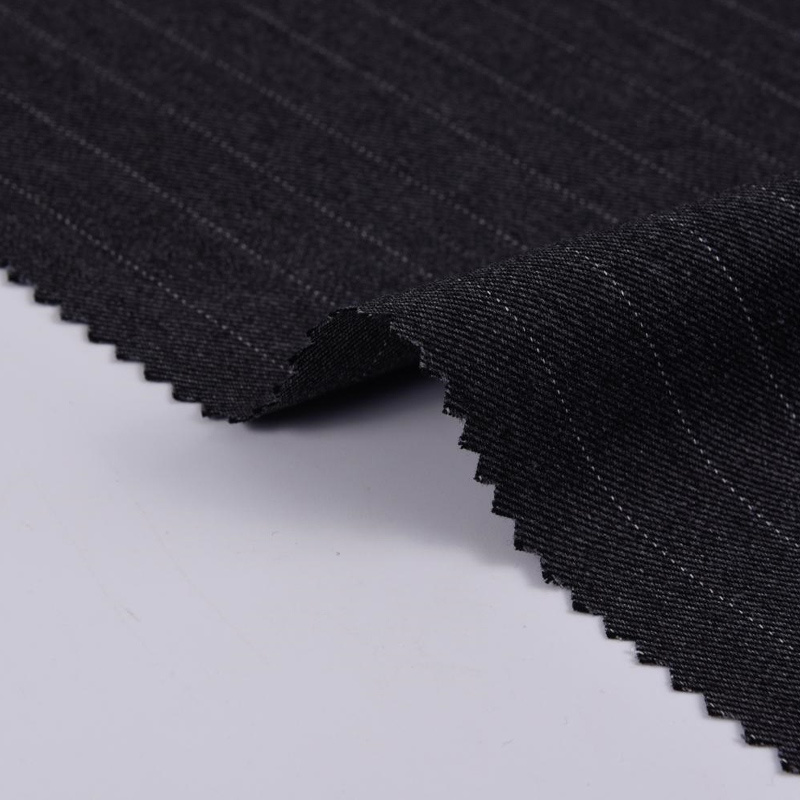
The functional roles of polyester cloth extend beyond durability and aesthetics. Its controlled permeability can enhance airflow in breathable textiles, while specialized coatings can add flame resistance, waterproofing, antistatic performance, or insulation. These functional upgrades allow polyester cloth to meet strict certification requirements in sectors such as construction, medical goods, transportation, and safety equipment. Its adaptability also makes it a preferred material for eco-friendly innovations, including recycled polyester (rPET) produced from plastic bottles, which supports global sustainability goals.
Real-world use cases illustrate its value. A sportswear manufacturer struggling with shrinkage issues in cotton garments switched to polyester cloth and achieved a 40% improvement in dimensional stability and significantly longer garment lifespan. A hotel chain replaced traditional natural-fiber curtains with polyester options, reducing cleaning and replacement costs due to the material’s wrinkle resistance and colorfastness. In the industrial sector, polyester tarpaulins provided dramatically improved tear resistance and weather protection for logistics companies operating outdoor storage sites. Automotive suppliers also reported improved durability and reduced deformation when using polyester cloth for seat covers and interior linings.
Polyester cloth effectively solves multiple customer pain points. For manufacturers, it reduces production defects and enhances efficiency thanks to consistent fiber quality and ease of processing. For brands, it provides long-lasting color, better shape retention, and reduced returns due to fabric damage. For end-users, it delivers comfort, low maintenance, and extended product lifespan. Its cost-effectiveness makes it a favorable option for large-scale procurement, especially when balancing performance with budget constraints.
As industries worldwide continue to demand materials that combine reliability, customizability, and high performance, polyester cloth remains a cornerstone fabric capable of meeting diverse market needs. Whether for apparel, home textiles, industrial use, or specialized performance applications, polyester cloth offers a perfect blend of durability, versatility, and economic value. It is a dependable choice for businesses aiming to elevate product quality while maintaining efficient and sustainable production.
Related information


Address
No. 7, 1st Floor, Xunxin Science and Technology Park, Qixian, Keqiao, Shaoxing, Zhejiang
