
5063
+86-13516755999 (PangWei)
+86-18857558252 / +86-18358527333(PangZhi)
Product Details
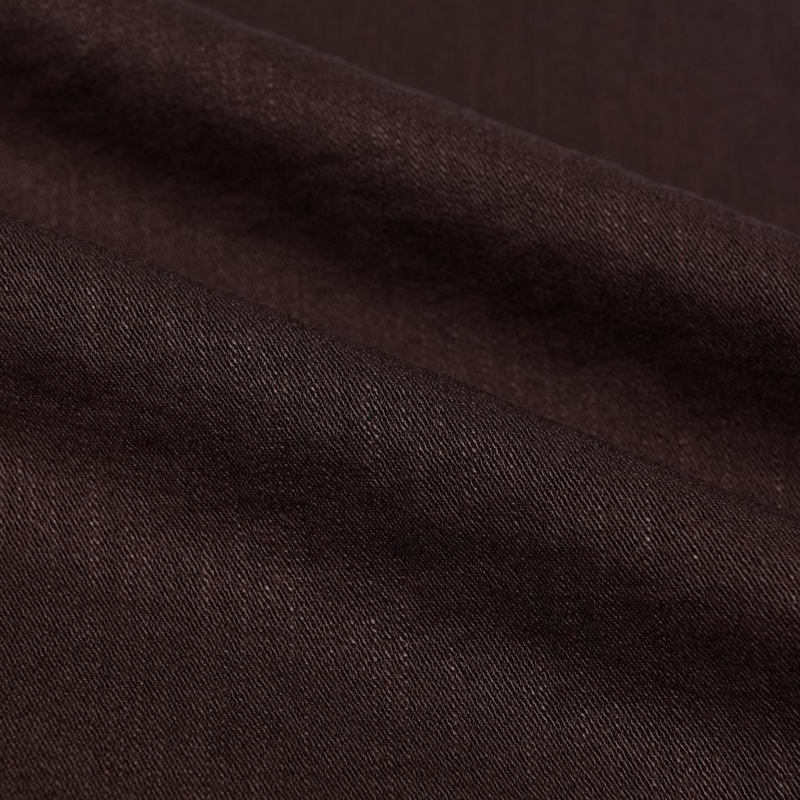
Product Name: 5063
Ingredients: 82% R 33% P 15% N
Door width: 152 CM
Weight: 200 GSM
Eco-friendly textile fabrics are revolutionizing the fashion and textile industries by providing sustainable alternatives to conventional materials. These fabrics are made from natural or recycled fibers, reducing the environmental impact of fabric production. By using eco-friendly textile fabrics, manufacturers can significantly lower their carbon footprint, conserve water, and minimize the use of harmful chemicals. This makes them an ideal choice for environmentally conscious consumers and brands that are committed to sustainability. With their versatility and comfort, eco-friendly textile fabrics are perfect for a wide range of applications, from clothing to home textiles and industrial uses.
The production of eco-friendly textile fabrics involves processes that are designed to reduce waste and promote environmental stewardship. Many of these fabrics are made from organic fibers such as cotton, hemp, or bamboo, which require fewer pesticides and fertilizers compared to conventional crops. Additionally, eco-friendly textile fabrics made from recycled materials, such as recycled polyester or upcycled cotton, help reduce waste in landfills and minimize the need for virgin resources. This sustainable approach not only supports the environment but also meets the growing demand for ethical and responsible fashion.
In addition to their positive environmental impact, eco-friendly textile fabrics also offer superior comfort and performance. These fabrics are designed to be soft, breathable, and durable, ensuring that they are suitable for everyday wear and various industrial applications. Eco-friendly textiles are also naturally hypoallergenic, making them an excellent choice for individuals with sensitive skin. Furthermore, the versatility of eco-friendly textile fabrics allows them to be used in a wide range of designs and styles, from casual wear to high-performance garments.
With the increasing awareness of environmental issues, the demand for eco-friendly textile fabrics continues to grow. Consumers are now more conscious than ever about the impact of their purchasing decisions on the planet. By choosing eco-friendly textile fabrics, both manufacturers and consumers contribute to a cleaner, greener future. These fabrics provide a sustainable and practical solution for those looking to make eco-conscious choices without compromising on quality or style.
Key words:
5063
Classification:
Recommend products
Business consulting
Tell us more so that we can serve you better.


Address
No. 7, 1st Floor, Xunxin Science and Technology Park, Qixian, Keqiao, Shaoxing, Zhejiang
